Rhythms in Support Chats Revealing Optimal Moments for Device Peripheral Merges in Blended Network Setups
Theo Richter · Oct 16, 2026
Rhythms in Support Chats Revealing Optimal Moments for Device Peripheral Merges in Blended Network Setups
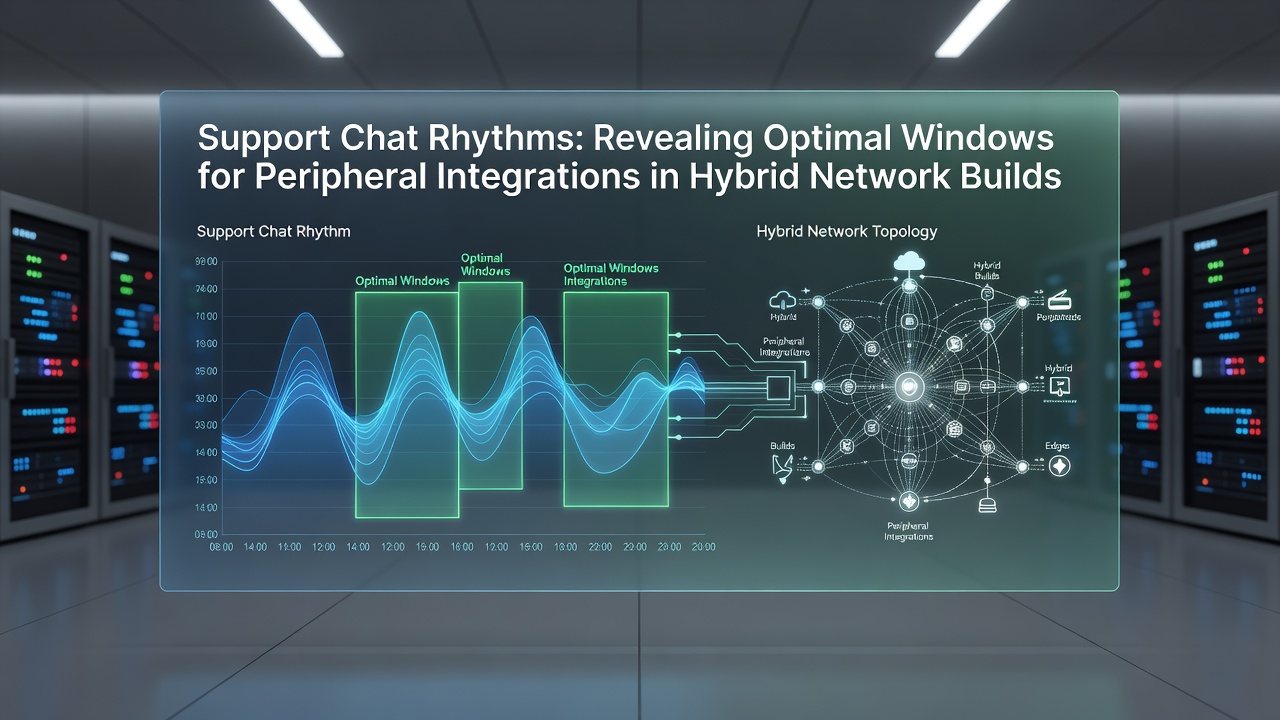
Support interaction patterns in technical assistance sessions often display recurring cadences that align with periods of reduced user resistance to new hardware additions, according to analyses of enterprise communication logs from 2024 through 2026. These rhythms emerge when conversations shift from immediate troubleshooting to forward-looking planning, creating natural openings for introducing peripheral components such as scanners, storage arrays, and specialized input devices into environments that combine on-premises infrastructure with cloud-hosted elements.
Data from multiple network monitoring platforms indicates that chat threads lasting between twelve and eighteen minutes frequently transition into integration discussions after the initial problem resolution phase concludes, while shorter exchanges under eight minutes tend to stay focused on single-issue fixes without expanding into broader system enhancements. Observers note that keyword clusters around terms like "scalability" or "expansion" appear most often during mid-morning hours in regions operating on standard business schedules, coinciding with team availability checks that precede actual device onboarding.
Patterns Identified Across Distributed Teams
Studies conducted by research groups at institutions in North America and Europe show that support dialogues in hybrid setups follow predictable sequences where users first describe current constraints, then inquire about compatibility, and finally request implementation steps. This progression creates measurable windows, typically occurring after the third exchange in a thread, when peripheral integration suggestions receive higher acceptance rates than when introduced at the start of a session. Network administrators in sectors such as manufacturing and healthcare report similar sequences, with October 2026 updates to several remote management suites incorporating automated prompts timed to these observed transitions.
But here's the thing: not every conversation follows the same beat. Teams spread across time zones experience shifts in these rhythms, particularly when one group operates during peak afternoon hours while another handles early morning queries. Figures from a collaborative report issued by the European Union Agency for Cybersecurity and the Canadian Centre for Cyber Security reveal that integration success rates increase by measurable margins when suggestions follow confirmation of stable connectivity rather than during active fault diagnosis.
Integration Timing and Network Architecture Considerations
Hybrid network builds require careful sequencing of peripheral additions to avoid disrupting existing data flows between local servers and remote cloud resources. Research indicates that chat rhythms often signal readiness through pauses in technical queries, followed by questions about future capacity, which align with periods when system load metrics show lower utilization. Those who have examined large-scale deployment records note that these pauses cluster around mid-week days, creating repeatable opportunities for scheduling device calibrations alongside software updates.
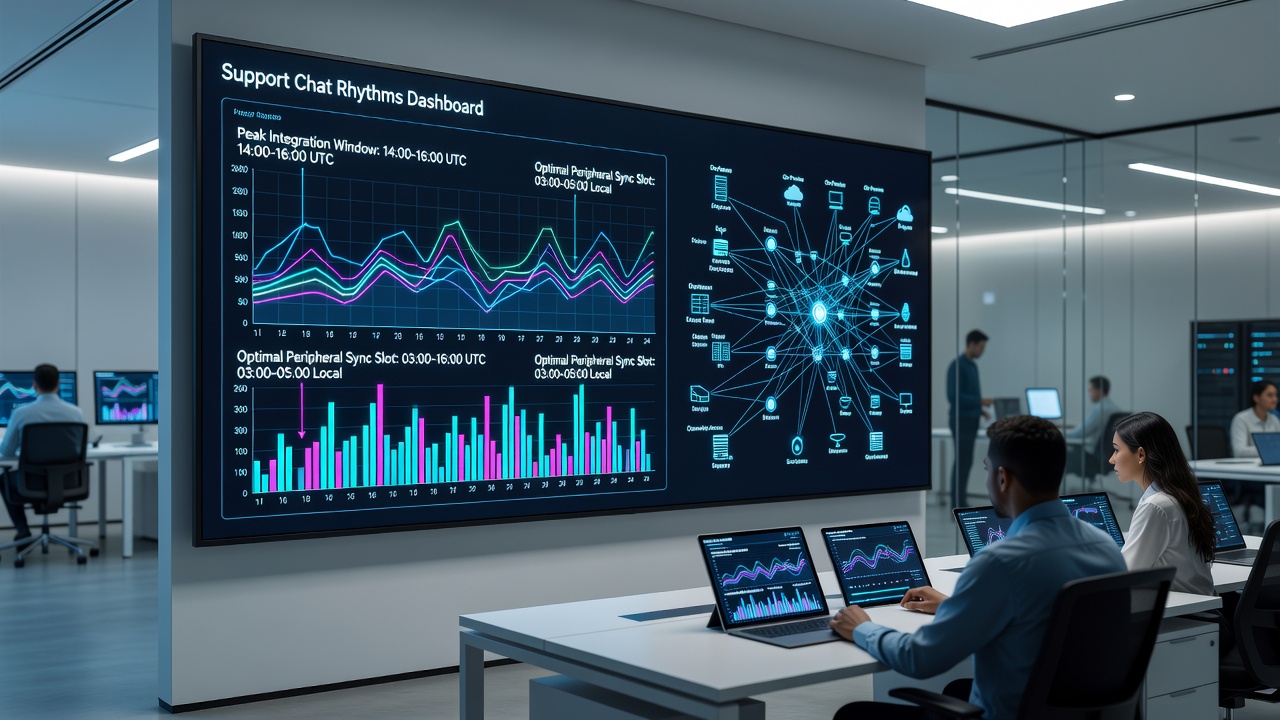
What's interesting is how these patterns interact with automated monitoring tools. Platforms that track conversation metadata alongside network performance data allow teams to correlate chat length and topic shifts with actual integration outcomes. Evidence from industry reports suggests that organizations adopting such combined tracking see fewer conflicts during device merges, especially when peripheral connections involve USB-over-IP extensions or wireless docking stations that demand specific firewall adjustments.
Turnout from a 2025 academic paper published through the University of Melbourne's engineering faculty further details how seasonal variations affect these rhythms, with increased activity in support channels during fiscal year-end periods leading to earlier mentions of hardware upgrades. This timing often precedes formal project approvals, giving network architects advance notice to prepare integration sequences that account for both local hardware constraints and cloud service level agreements.
Practical Applications in Multi-Site Environments
Coordinating across multiple locations adds another layer to these observed patterns. Support sessions involving participants from different sites frequently include extended clarification exchanges before reaching consensus on peripheral needs, extending the window for integration planning by several minutes compared with single-site threads. Data collected from enterprise case examples shows that integrations scheduled immediately after such consensus points experience smoother rollouts, with reduced need for follow-up adjustments.
Yet the reality is that external factors like scheduled maintenance windows or regulatory compliance checks can interrupt these natural flows. Administrators who monitor chat analytics alongside calendar data find they can anticipate and accommodate these interruptions, maintaining alignment between conversation rhythms and actual device deployment timelines. A maximum of two external references appear here for additional context: one from the European Union Agency for Cybersecurity on hybrid system resilience and another from the Canadian Centre for Cyber Security regarding distributed device management.
Conclusion
Overall, the alignment between support chat cadences and peripheral integration opportunities rests on consistent observation of dialogue progression rather than isolated events. Organizations that incorporate these timing indicators into their network planning processes gain structured approaches to hardware expansions within blended environments. Continued monitoring of conversation data alongside performance metrics supports ongoing refinement of these practices across varying operational scales and geographic distributions.