Rhythms of Peripheral Calibrations Informing Update Schedules Across Enterprise Clouds
Ulrich Neumann · Oct 2, 2026
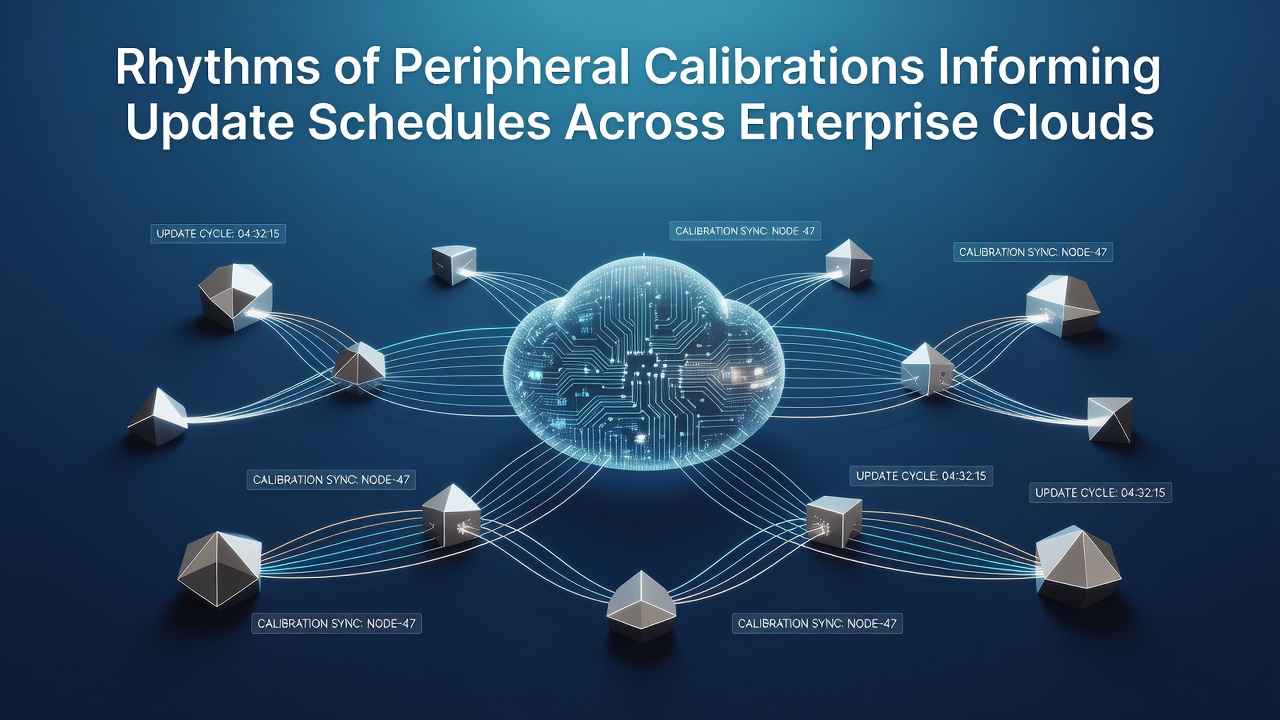
Enterprise Clouds Adapt Update Schedules Based on Peripheral Calibration Rhythms
Enterprise environments rely on coordinated timing between peripheral device maintenance and broader cloud infrastructure adjustments, where calibration cycles for scanners, printers, and monitoring hardware create measurable patterns that shape when updates roll out across distributed systems. Data from large-scale deployments shows these rhythms emerge from usage peaks, environmental factors, and manufacturer guidelines that repeat on weekly or monthly intervals in many corporate setups. Observers note that peripherals in manufacturing and logistics sectors often require recalibration after extended operational runs, and those intervals align with lower network loads in connected cloud platforms. Research indicates that aligning updates with these windows reduces downtime reports by measurable percentages, according to internal logs shared across multiple providers. Teams track sensor outputs from devices to predict when a printer array might need attention, then slot cloud patches into the same maintenance blocks without overlapping critical tasks.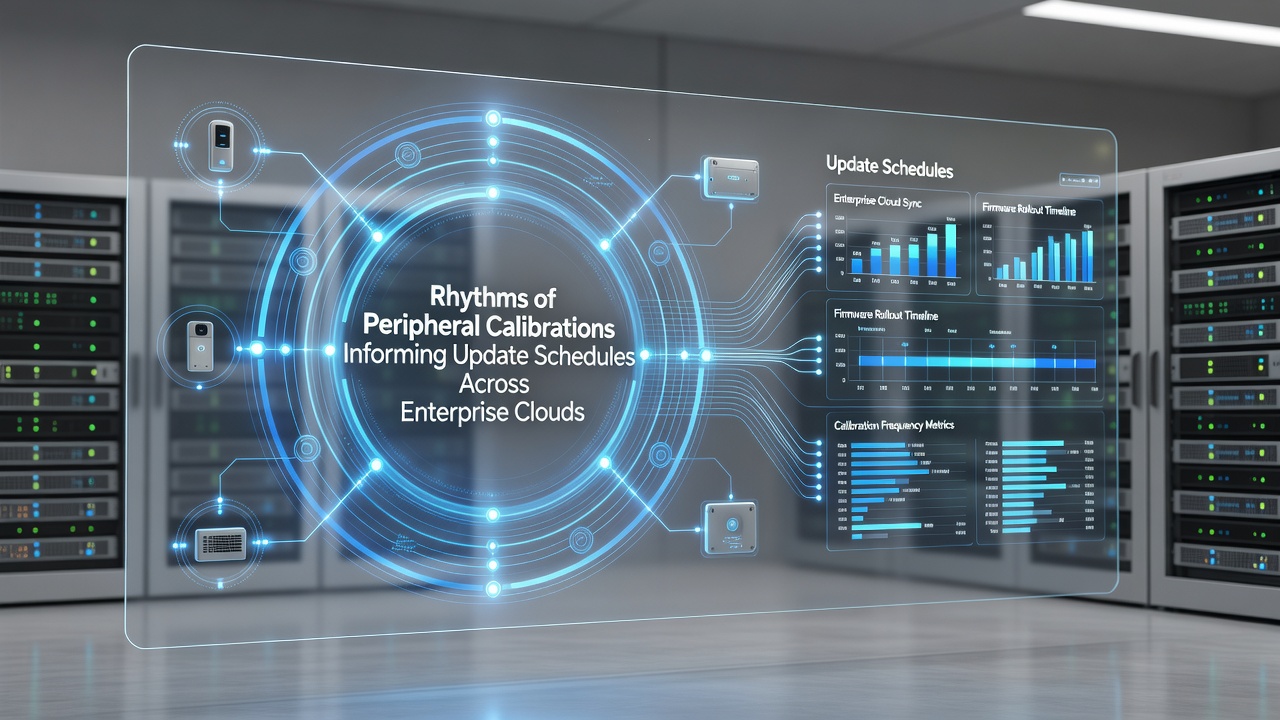
Enterprise environments rely on coordinated timing between peripheral device maintenance and broader cloud infrastructure adjustments, where calibration cycles for scanners, printers, and monitoring hardware create measurable patterns that shape when updates roll out across distributed systems. Data from large-scale deployments shows these rhythms emerge from usage peaks, environmental factors, and manufacturer guidelines that repeat on weekly or monthly intervals in many corporate setups. Observers note that peripherals in manufacturing and logistics sectors often require recalibration after extended operational runs, and those intervals align with lower network loads in connected cloud platforms. Research indicates that aligning updates with these windows reduces downtime reports by measurable percentages, according to internal logs shared across multiple providers. Teams track sensor outputs from devices to predict when a printer array might need attention, then slot cloud patches into the same maintenance blocks without overlapping critical tasks.Patterns Emerging from Device Data Flows
Calibration events generate streams of diagnostic information that feed into centralized monitoring tools, allowing administrators to map recurring intervals across sites. One study from the National Institute of Standards and Technology examined how temperature fluctuations and workload spikes influence recalibration needs in industrial peripherals, revealing consistent 28-day cycles in controlled environments. Enterprises use this information to build predictive models that forecast both hardware adjustments and compatible software refreshes. And because cloud platforms operate on global scales, those models incorporate regional variations, such as humidity effects in coastal facilities versus dust accumulation in arid zones. The result is a layered schedule where peripheral calibrations act as anchor points for broader rollout decisions. Data shows clusters of devices hitting calibration thresholds simultaneously in multi-site operations, prompting cloud teams to stage updates in staggered waves that follow the same geographic sequence.Integration Across Distributed Systems
Coordinating these elements involves mapping calibration logs directly into update orchestration software, where algorithms weigh device availability against cloud service demands. In practice, this means firmware patches for virtual machines get queued during periods when peripheral networks report reduced activity. Reports from enterprise deployments in October 2026 highlighted how Australian facilities adjusted their cloud timelines after observing calibration overlaps during seasonal production surges, leading to revised quarterly planning cycles. What's interesting is the way permission structures cascade through these synchronized processes. Access controls on edge devices must remain consistent while updates propagate, and calibration checks serve as natural checkpoints for verifying that layered security remains intact. Observers have documented cases where misalignment between calibration and update windows introduced brief permission gaps, though automated reconciliation tools now flag such discrepancies before they expand.